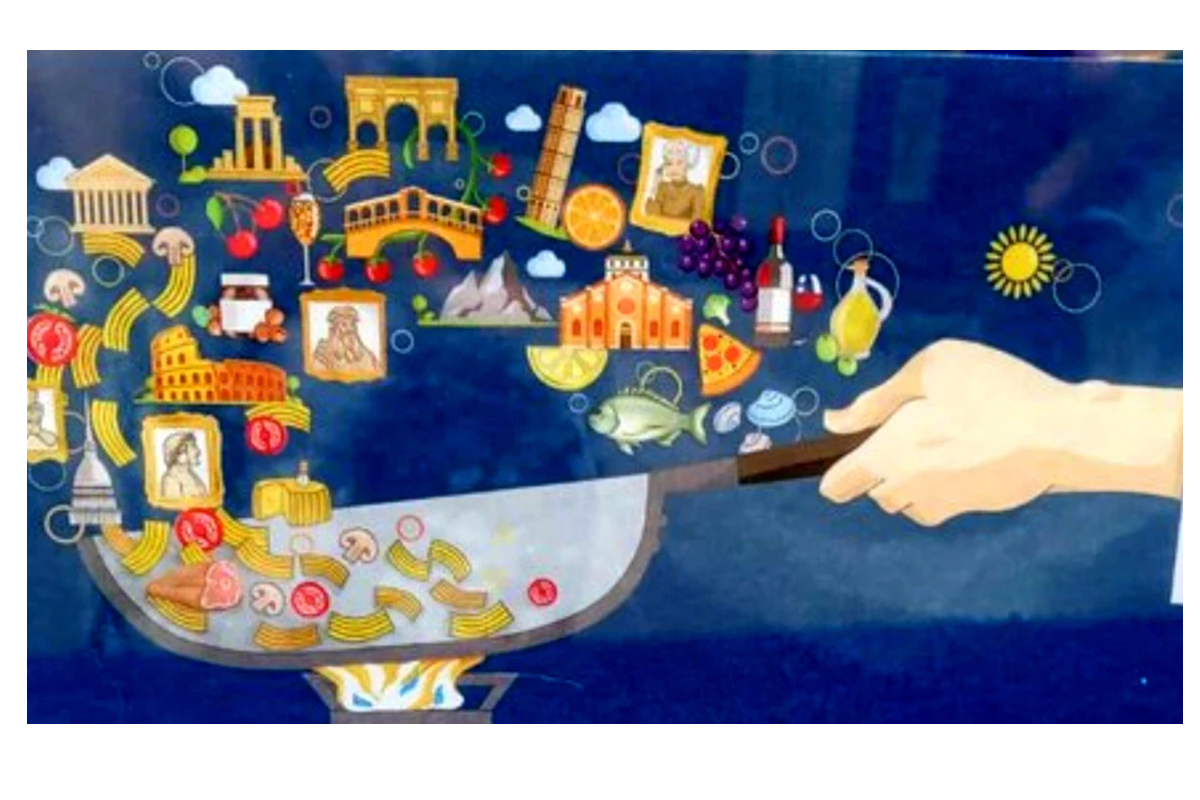
Italian cuisine has been officially inscribed as UNESCO Intangible Cultural Heritage, becoming the first national culinary tradition in the world to receive such recognition in its entirety. The unanimous decision, taken in New Delhi by the UNESCO Intergovernmental Committee, defines Italian cooking as “a cultural and social blend of culinary traditions… a way to care for oneself and others, express love and reconnect with one’s roots.”
UNESCO noted that Italian-style cooking fosters “social inclusion, well-being and intergenerational learning,” adding that it is “an activity rooted in anti-waste recipes, shared skills, and memories, with roles that are perfectly interchangeable across generations.”
INDUSTRY APPLAUSE: “A CELEBRATION OF THE ENTIRE PRODUCTIVE SYSTEM”
Mario Piccialuti, Director General of Unione Italiana Food industrial association, said the recognition “celebrates not only gastronomic tradition but the entire production system that brings Made in Italy excellence to the world.”

Unione Italiana Food represents 26 product categories, 530 companies, and 100,000 jobs, generating €60bn in turnover, including €23bn from exports. Italian consumers eat 30bn plates of pasta annually, drink 56bn cups of coffee, and consume almost 1bn kg of baked goods and sweets. Pasta remains an identity symbol, consumed at 23.3 kg per capita—the highest figure worldwide.
BARILLA: “A HISTORIC MILESTONE”
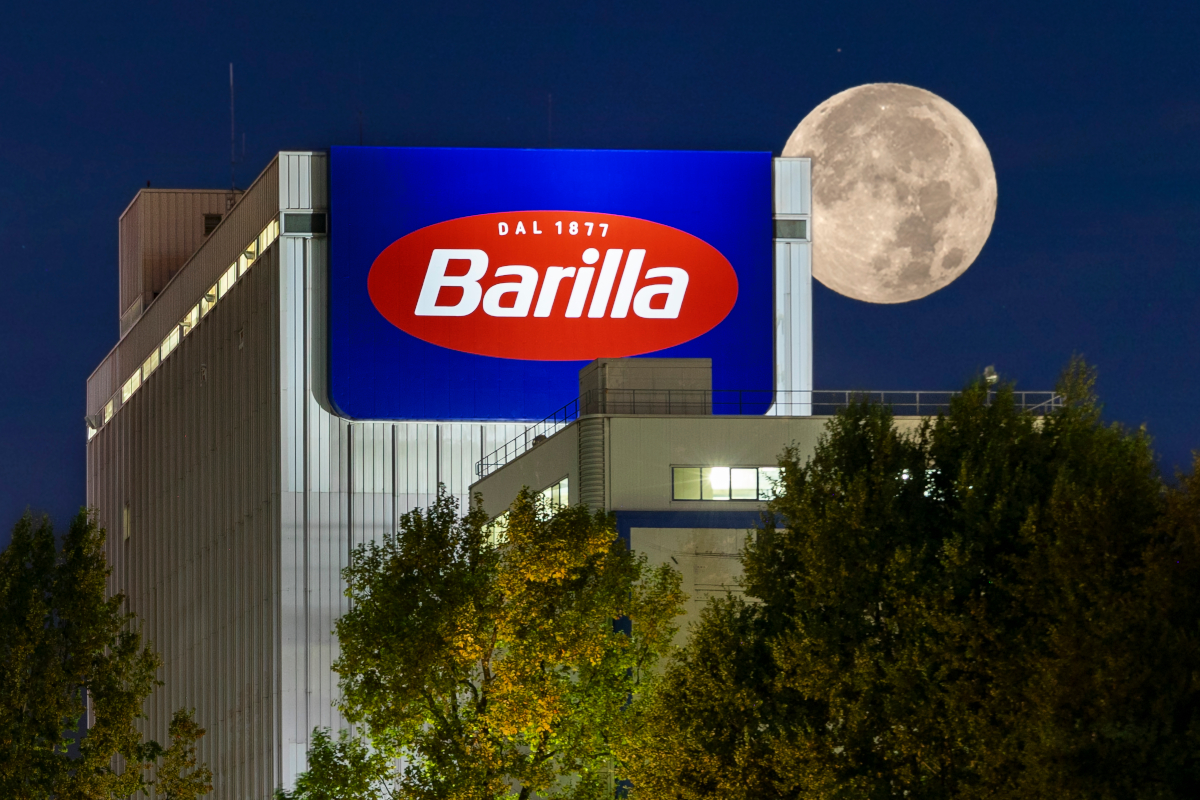
Barilla welcomed the decision as “a historic milestone celebrating Italian gastronomic tradition as creativity, conviviality and cultural identity.”
For 148 years, the group has brought Italian food culture to more than 100 countries. Among the initiatives supporting the UNESCO bid, Barilla sent 3 kg of fusilli into space aboard the Ax-3 mission for the first extraterrestrial tasting of Italian pasta, and took part in government-led promotional events from the G7 Agriculture summit in Ortigia to the Gotham Hall gala in New York.
PROSCIUTTO DI PARMA AND BALSAMIC VINEGAR CONSORTIA: “A MOSAIC OF IDENTITY”
Alessandro Utini, President of the Parma Ham Consortium, called the nomination “a result that fills us with satisfaction… recognizing the unique and precious mosaic of our cuisine and the values of sharing and conviviality that are an essential part of our culture.”
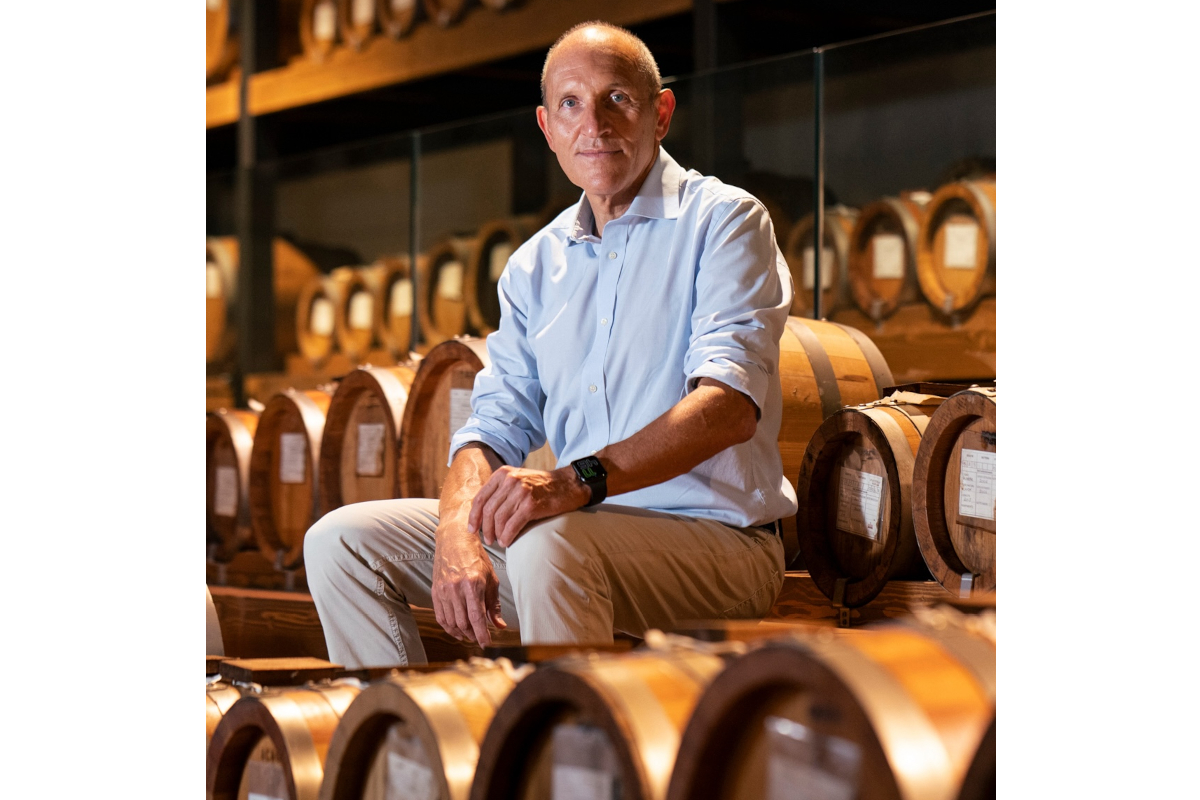
Cesare Mazzetti, President of the Aceto Balsamico di Modena PGI Consortium, added: “UNESCO recognises a cultural value that distinguishes us from any other country. This will decisively support our Geographical Indication products.” He highlighted ongoing efforts to secure recognition for the“Tradition of Balsamic Vinegar between sociality, craftsmanship and popular culture of Modena and Reggio Emilia,” noting that Aceto Balsamico di Modena PGI exports 93% of its nearly 100m-litre annual production to over 130 countries.
EATALY: “FOOD BUILDS BRIDGES BETWEEN CULTURES”
For Andrea Cipolloni, Group CEO of Eataly, “food is culture, dialogue, exchange, contamination… At the table, we build bridges between people.” Eataly supported the UNESCO bid with the MAECI and La Cucina Italiana through the cultural project “Le radici della cucina italiana” (the roots of Italian cuisine). The group also celebrates Terrazza Italia—its Istanbul restaurant—being listed in the Michelin Guide Turkey 2026 “Recommended” section. Four new global openings in 2025 will strengthen its international footprint.

EXPORTS RISING DESPITE GLOBAL HEADWINDS
Nomisma forecasts a +5% growth in Italian agri-food exports in H1 2025, surpassing €70bn for the first time. President Paolo De Castro said the UNESCO award strengthens “cultural identity, product protection, and the fight against Italian Sounding,” attributing the achievement to the initiative launched in 2023 by the Ministries of Agriculture and Culture.
Italian cuisine, now formally recognised as a global cultural asset, stands to gain further international momentum—culinary, cultural, and economic.