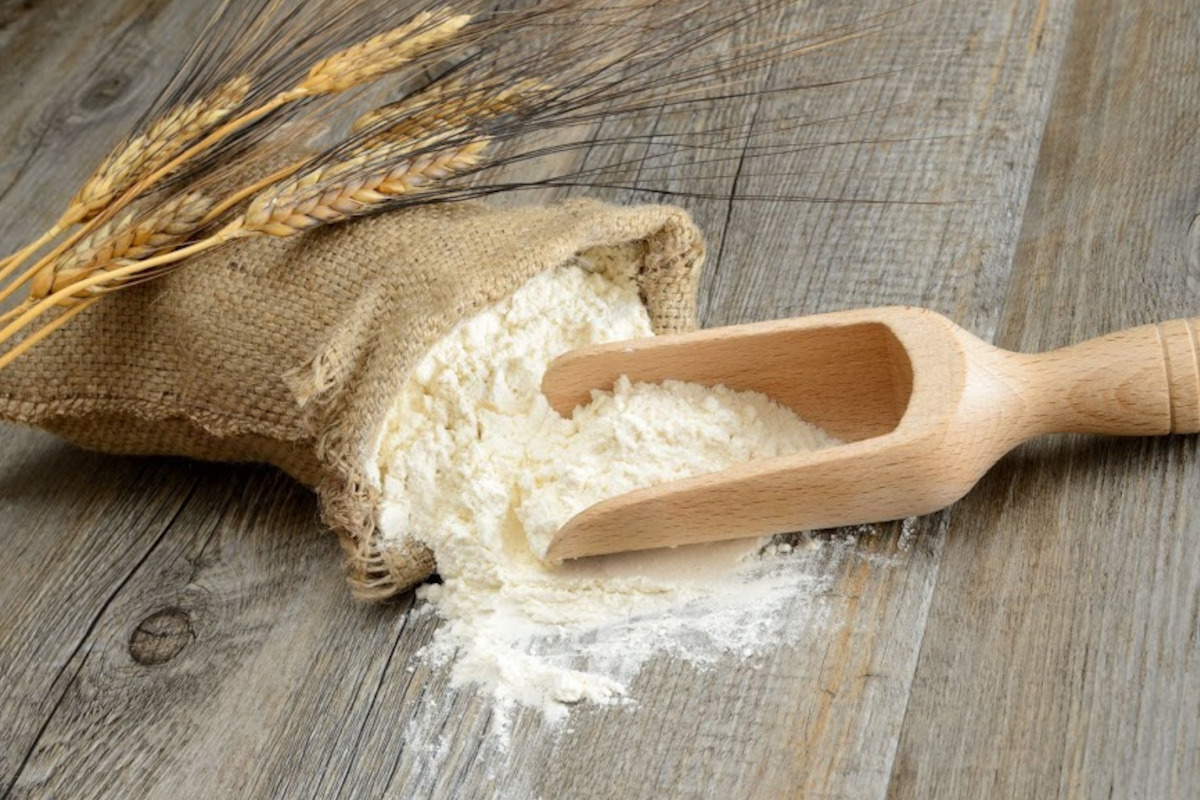
Italian exports of flour and semolina confirmed their positive growth trajectory in 2025, exceeding a combined volume of 500,000 tonnes and marking a significant increase compared with the previous year.
According to foreign trade data released by the Italian National Institute of Statistics and analyzed by the Italian Milling Industry Association (Italmopa), exports of soft wheat flour reached approximately 362,000 tonnes, while durum wheat semolina shipments totalled around 142,000 tonnes.
Compared with 2024, exports increased by 10.1% for soft wheat flour and 7.7% for durum wheat semolina, a performance that underscores the competitiveness of the Italian milling industry in international markets.
THE QUALITY OF ITALIAN MILLING PRODUCTS
Italmopa stressed that the latest increase in export volumes “once again confirms the quality and versatility of Italian milled products”.
As highlighted by Vincenzo Martinelli, President of Italmopa: “The new increase in the overall volume of our milled product exports confirms both the extraordinary quality and the great versatility of the flours and semolina produced by the Italian milling industry, as well as the determination and persistence of our companies in expanding their presence in international markets.” Martinelli also emphasized that flour and semolina are: “Products of absolute excellence at the foundation of the Italian food Made in Italy, the result of the expertise of Italian millers in selecting, blending, and processing the best grains, regardless of their origin, to obtain products suited to the diverse needs of the market and consumers.”
KEY EXPORT MARKETS
In 2025, European and North American markets once again proved central to Italian flour exports. The main destinations for soft wheat flour were France, the United States, Germany, Spain, and the United Kingdom.
For durum wheat semolina, the leading markets were Saudi Arabia, Germany, France, and Belgium. These four countries together account for almost half of the total volume of Italian semolina exports, highlighting strong international demand for products destined primarily for the pasta and cereal-based food supply chain.
A STRATEGIC SECTOR FOR THE AGRI-FOOD INDUSTRY
The data confirm the strategic role of the Italian milling industry within the country’s agri-food value chain. Flour and semolina are essential ingredients for many of the flagship products of Italian food production—from pasta to baked goods—reinforcing Italy’s presence in global markets and supporting the continued international success of the Made in Italy food sector.