The Italian food industry continues to consolidate its position as a global ambassador of Made in Italy, even as it faces a growing number of uncertainties linked to the international landscape. Ahead of the National Made in Italy Day on April 15, Unione Italiana Food association presents a snapshot of a sector that is expanding but increasingly exposed to geopolitical risks.
In 2025, the segments represented by the association—bringing together 530 companies and more than 900 brands—reached an export value of €25 billion, marking a +9.2% year-on-year increase. This performance accounts for 42.3% of total Italian food exports, underlining the strategic weight of the sector.
At an aggregate level, Italy exported 31 billion plates of pasta, over one billion ice creams, four billion chocolate bars, 43 billion cups of coffee, and a volume of confectionery equivalent to 28 Olympic-sized swimming pools.
Germany, France, the United States, the United Kingdom, Spain, and Poland remain the primary destination markets, confirming the strong penetration of Italian products across advanced economies.
GROWTH DRIVEN BY COFFEE AND CONFECTIONERY
Expansion is being led by flagship segments of Italian tradition, with standout performances across multiple categories.
Coffee recorded a +24.6% increase, followed by jams at +20.2% and confectionery at +20.1%. Ice cream (+18.8%) and cocoa and chocolate (+18.4%) also posted strong gains.
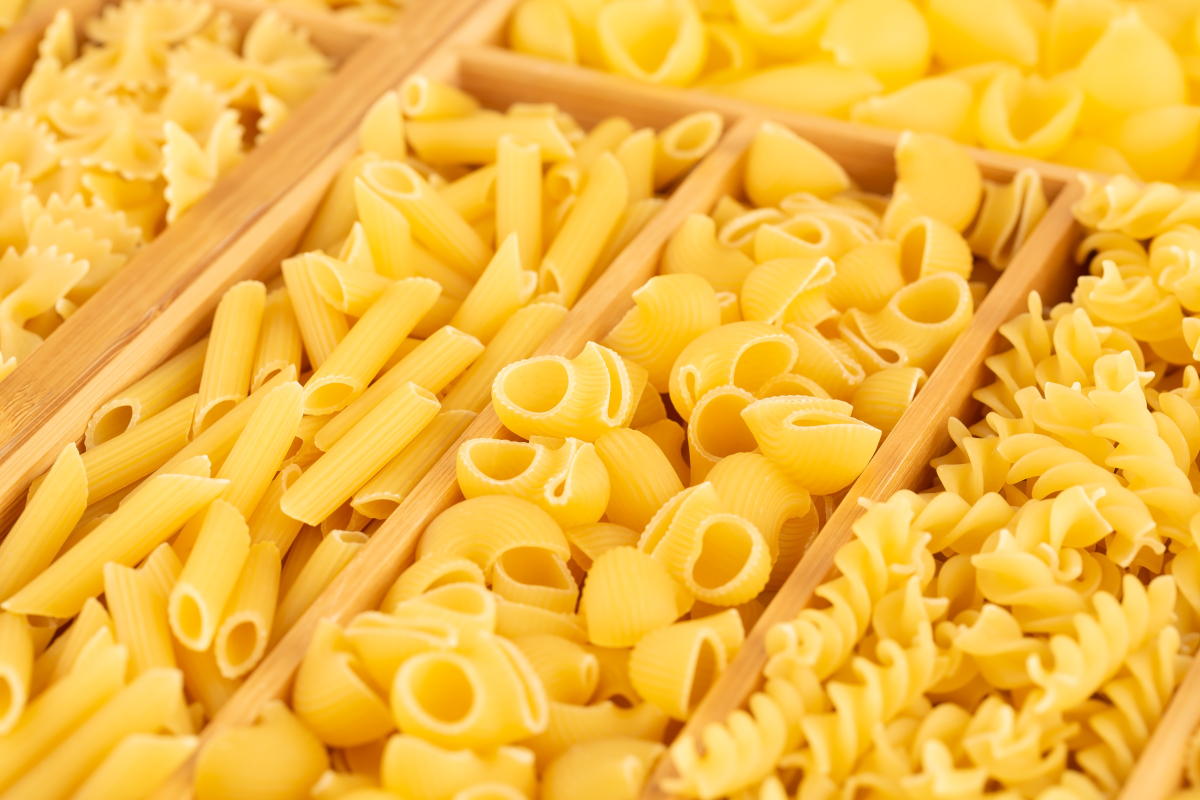
Frozen foods rose by +9.1%, while baked goods grew by +6.4%. Pasta exports remained broadly stable compared with 2024, consolidating their already significant global footprint.
GEOPOLITICAL RISKS LOOM LARGE
Despite the positive outlook, significant concerns are emerging. Unione Italiana Food points in particular to the risks associated with international tensions, which could directly impact energy costs, raw material sourcing, and packaging supply chains. As industry representatives warn, “Geopolitical instability, tariffs, and global uncertainty are putting pressure on a model built over decades.”
These factors, combined with rising costs and trade barriers, could challenge the resilience of a sector that has long been a cornerstone of Italy’s economic and cultural identity.