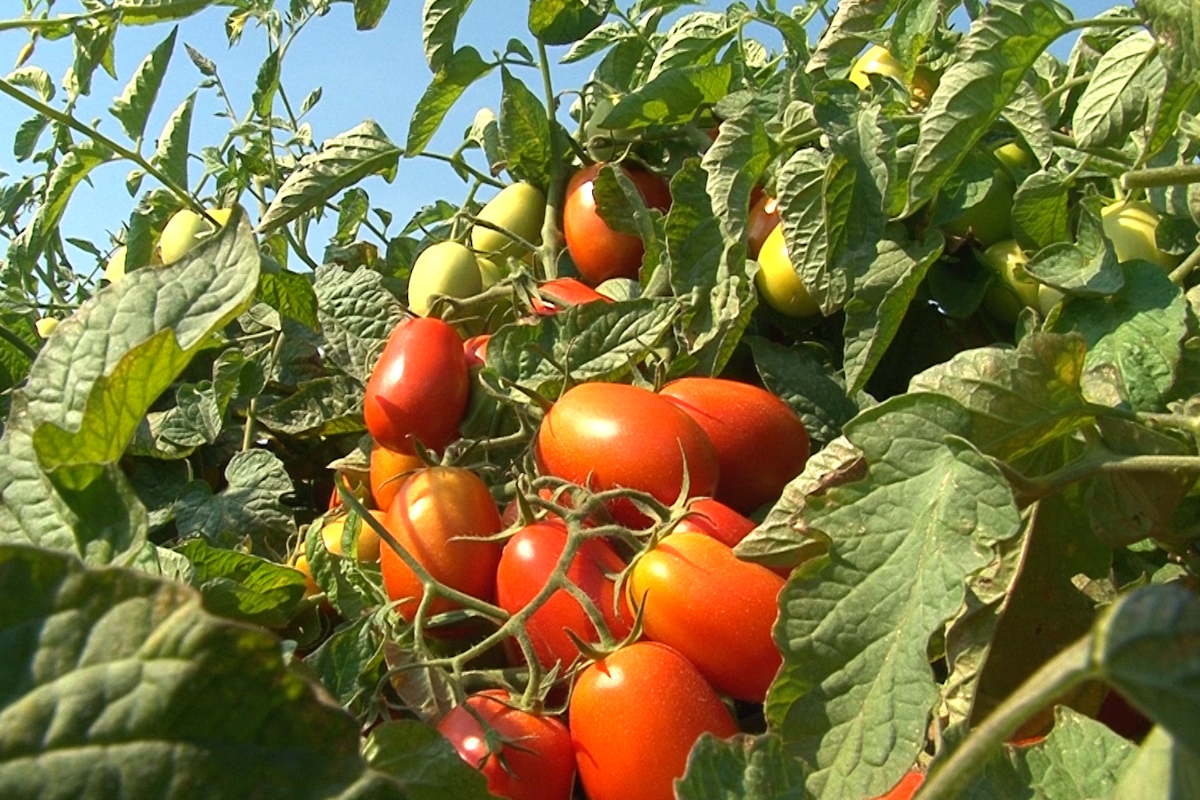
The 2026 industrial tomato processing campaign in Italy has officially concluded, reporting a total output of 6.3 million tons. This figure confirms Italy as the world’s second-largest producer, trailing only the United States. Despite the positive production volume, the sector faces significant economic and operational pressures, marking a complex year for the entire supply chain.
Rising costs and climate impact
The Anicav (Italian Association of Vegetable Canned Food Industrials) reported that the campaign was heavily impacted by soaring energy prices. Throughout the processing season, gas prices more than doubled (+103%) compared to 2025, while electricity costs saw an increase of 78%. These figures placed a severe strain on industrial margins, complicating the financial stability of many companies.
In the Central-South basin, which accounted for 3.1 million tons, the campaign was characterized by an unusually long duration, stretching until the end of October. This prolonged timeframe hindered economies of scale as factories struggled to maintain consistent, full-regime operations. Meanwhile, the North basin produced 3.2 million tons but suffered from its lowest agricultural yields in five years. Adverse weather conditions, including intense heatwaves, severe droughts, and damaging hailstorms, severely impacted water availability and crop performance.
Strategic planning for 2027
Aldo Rodolfi, President of Anicav, highlighted the necessity for a shift in strategy. “The 2026 campaign was arduous, with energy costs and the high price of raw materials testing our industry’s resilience,” Rodolfi noted. “Moving forward, we must initiate meticulous planning for the 2027 season, accounting for the production volume increases seen over the last two years. Furthermore, we can no longer ignore the tangible effects of climate change, which are forcing us to rethink our organizational efficiency and resource management.”
With 70% of Italian-processed tomatoes handled by Anicav members and a strong export focus targeting markets in the USA, Japan, and Australia, the sector remains a vital pillar of Made in Italy food excellence. Ensuring the sustainability of this supply chain remains the primary objective for the coming year.