The Parmigiano Reggiano Consortium has once again demonstrated its commitment to global brand protection during the 2026 edition of SIAL Paris. As one of the world’s leading food and beverage trade shows, the event serves as a critical venue for monitoring the international market. During recent surveillance activities, the Consortium identified several non-compliant products, successfully prompting the French authorities—specifically the Direction Départementale de la Protection des Populations de la Seine-Saint-Denis—to remove six items from public display.
Targeting intellectual property violations
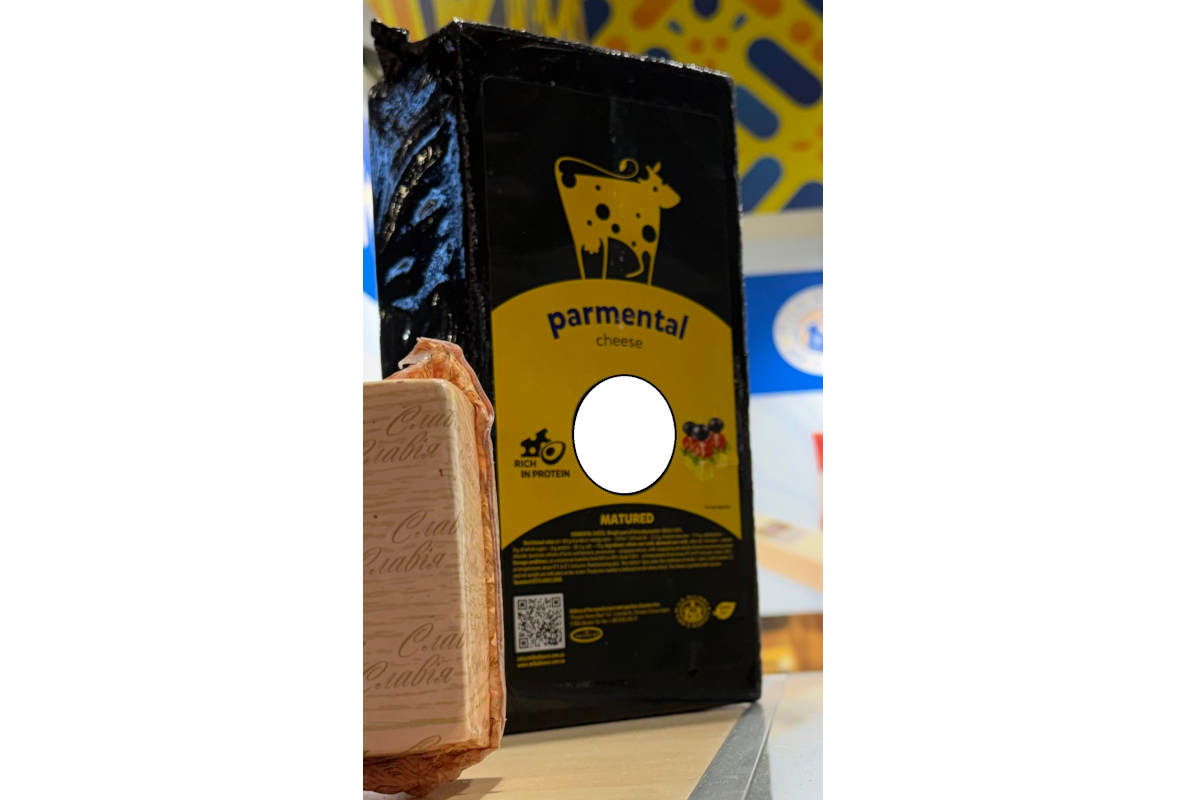
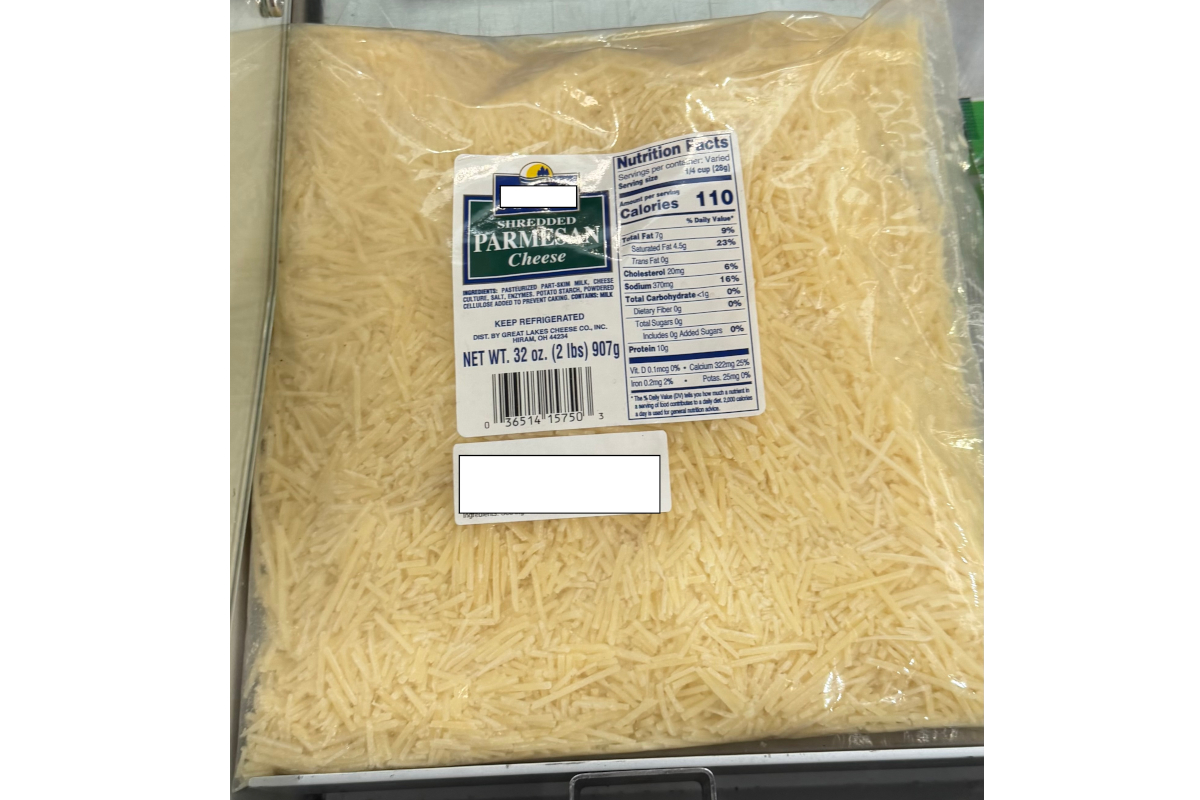
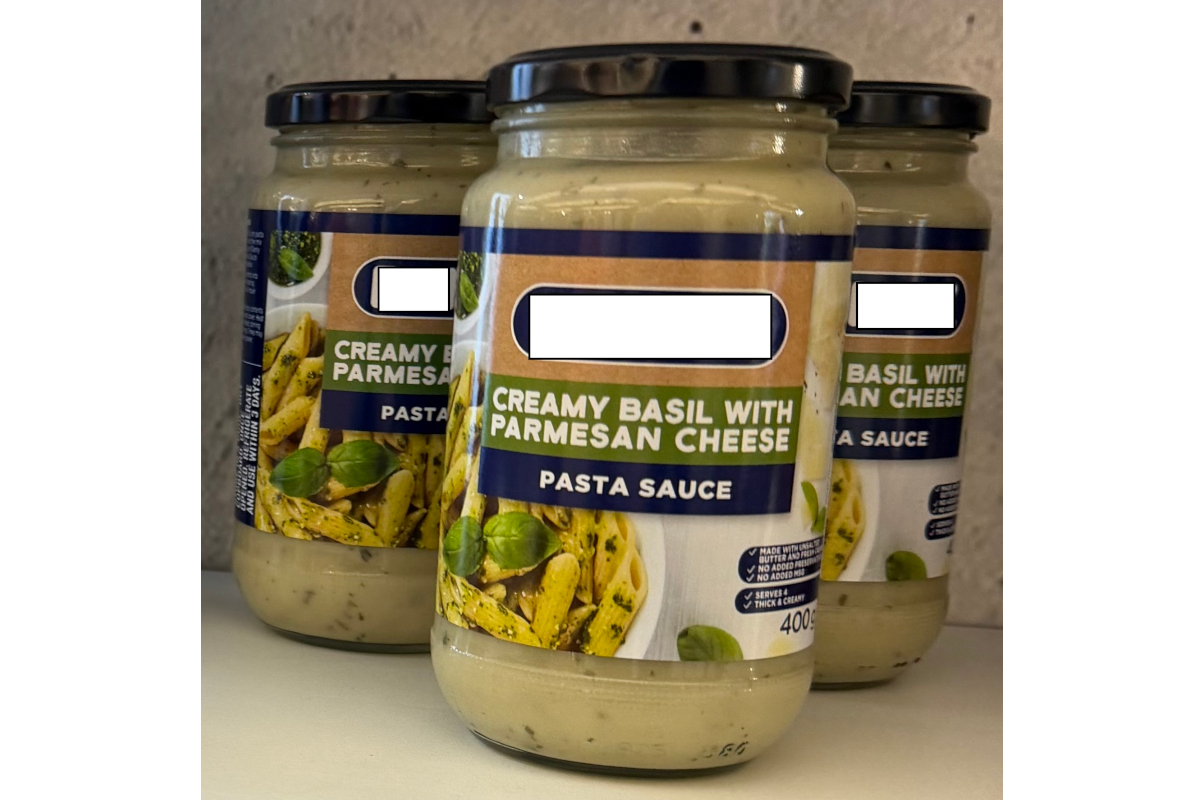
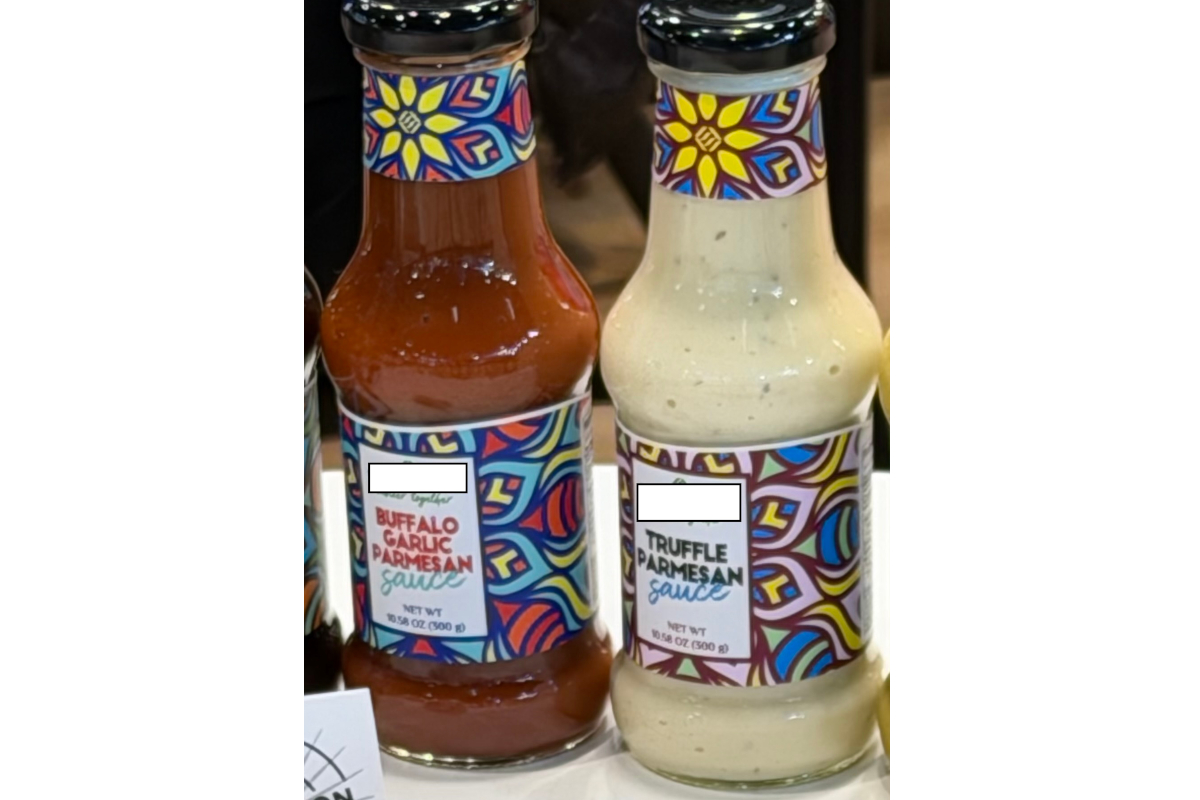
The intervention focused on products that either used misleading naming conventions or falsely claimed to contain the prestigious Italian cheese. Among the items flagged were a “Shredded Parmesan cheese” produced in the USA and a “Parmental cheese” from Ukraine. Additionally, various sauces and culinary preparations labeled as “Parmesan” were found to contain no trace of the authentic PDO “king of cheeses”. While the authorities acted swiftly to pull these items, they confirmed that other products under investigation were, in fact, using genuine ingredients.
A global battle against counterfeiting
This operation aligns with the legal precedents established by the EU Court of Justice in 2008, which ruled that the term “Parmesan” is not generic but a direct evocation of the “Parmigiano Reggiano” PDO. Despite this, the economic impact of the counterfeit market remains staggering. The Consortium estimates that the global turnover for imitation products outside the European Union exceeds €2B —representing roughly 200,000 tons of product, or three times the volume of officially exported Parmigiano Reggiano.
The call for uniform standards
Reflecting on the importance of these controls, Nicola Bertinelli, President of the Consortium, emphasized the necessity of stronger international cooperation. “The prompt intervention of French authorities highlights the effectiveness of the EU system in protecting PDOs,” he stated. “However, this level of protection is still missing in many non-EU regions where counterfeiting continues to deceive consumers and harm our exports. We need uniform rules for all European trade show organizers to ensure they are truly ‘fake-free’ events, sparing Consortia and legal systems the burden of retroactive intervention.”