
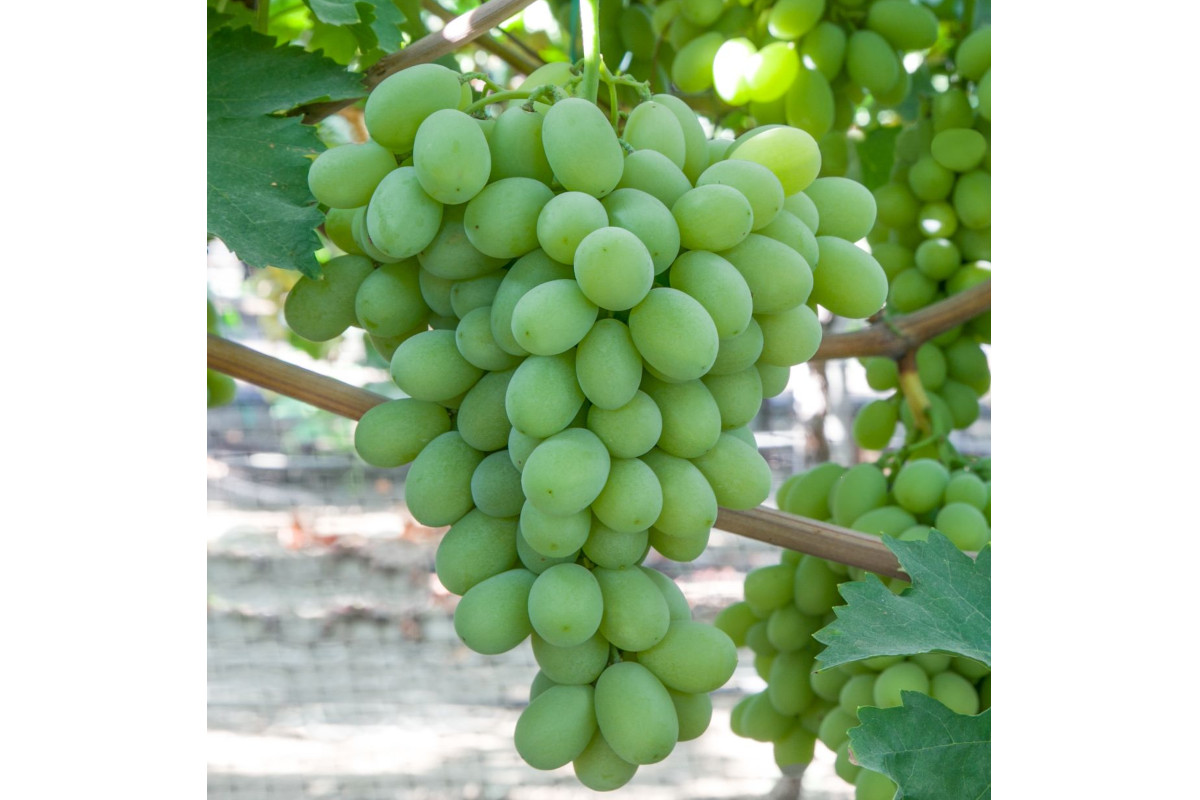
The Italian table grape sector is celebrating a period of extraordinary growth, characterized by record-breaking export values and a strengthening domestic market. Data presented by the Ismea research firm confirms the global appreciation for premium Italian produce, with the industry successfully navigating complex geopolitical scenarios to maintain its market leadership.
Export success and new markets
In 2025, the international turnover for Italian table grapes increased by 8.5% in value, reaching 973 million euros, with export volumes rising by 16% to 437,000 tons. Over the past five years, the international share of total revenue has climbed to 61%. While traditional European markets such as Germany and France remain the primary destinations, producers are actively diversifying their reach. To counter the closure of the Russian market and ongoing logistical challenges, the sector is successfully tapping into high-potential regions, including Northern and Central Europe as well as the Middle East.
The rise of seedless varieties
A key driver of this success is the strategic focus on seedless (apirene) varieties, which have allowed producers to reach a broader, more diverse consumer base. This shift is clearly reflected in domestic purchasing trends, where Italian households show a clear preference for packaged, seedless grapes. Notably, families with children under 16—the so-called Generation Alpha—have emerged as a crucial demographic, increasing their grape consumption by 35% in just two years.
Innovation in the Puglia district
Puglia remains the heart of European table grape production. After facing significant difficulties just a few years ago, the local district has undergone a major transformation thanks to continuous innovation in vineyards and packing facilities. Since 2022, the region has seen a robust recovery. Its modernization has not only extended the commercial calendar—enabling supply even during off-season months through careful import integration—but has also empowered producers to achieve higher price points on global shelves.